The internet is full of evolving slang, and one term that often sparks curiosity is “lolcow.” If you’ve seen it used in forums, comment sections, or social media threads, you might be wondering what it actually means—and why it’s used so frequently.
In this guide, we’ll break down the lolcow meaning, its origin, real-world examples, and how it fits into modern internet culture. You’ll also learn when (and when not) to use it.
What Does Lolcow Mean?
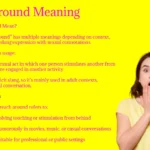
The term lolcow is a piece of internet slang that refers to:
A person who is repeatedly mocked or laughed at online, often because of their behavior, reactions, or content.
The key idea is that people continue to “get laughs” from that individual, usually by provoking or observing their actions.
Simple Explanation of Lolcow
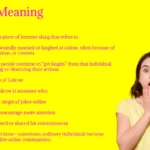
In simple terms, a lolcow is someone who:
- Becomes a frequent target of jokes online
- Reacts in ways that encourage more attention
- Is repeatedly discussed or shared for entertainment
It’s not always about fame—sometimes ordinary individuals become lolcows within smaller online communities.
Origin of the Term Lolcow
The word lolcow comes from combining two ideas:
- LOL (Laugh Out Loud) → representing humor
- Cow → something that can be “milked” repeatedly
So, a lolcow is someone people “milk” for laughs again and again.
Where Did It Start?
The term became popular on:
- Online forums like 4chan
- Early internet communities
- Discussion boards and meme culture spaces
Over time, it spread to platforms like:
- Twitter (X)
- YouTube comment sections
Why Do People Become Lolcows?
There isn’t just one reason. People are often labeled as lolcows because of patterns in behavior.
1. Strong or Emotional Reactions
People who respond angrily or dramatically to criticism often attract more attention.
2. Unusual or Controversial Content
Posting content that others find strange, exaggerated, or controversial can lead to repeated sharing.
3. Oversharing Personal Life
Some individuals share a lot online, making it easier for others to comment or mock.
4. Engaging With Trolls
Responding to trolls instead of ignoring them can increase visibility and prolong attention.
Examples of Lolcow in Sentences
Here are some ways the word is used in context:
- He became a lolcow after constantly reacting to negative comments.
- The creator didn’t realize that engaging trolls made him a lolcow.
- Some forums unfairly turn people into lolcows for entertainment.
- Once labeled a lolcow, it’s hard to escape that reputation online.
- The situation shows how quickly internet culture can create a lolcow.
Is Lolcow Always Negative?
Yes, lolcow is generally a negative term.
It often involves:
- Mockery
- Ridicule
- Public embarrassment
In many cases, it crosses into online harassment or bullying, which is why it’s important to use the term carefully—or avoid using it altogether.
Lolcow vs Similar Internet Terms
People sometimes confuse lolcow with other internet slang. Here’s how it compares:
| Term | Meaning | Difference |
|---|---|---|
| Lolcow | Person repeatedly mocked online | Focus on ongoing ridicule |
| Meme | Viral joke or idea | Can be positive or neutral |
| Troll | Someone who provokes others | Troll causes reactions |
| Viral Personality | Popular online figure | Not necessarily mocked |
Where Is the Term Lolcow Commonly Used?
You’re most likely to see lolcow in:
- Online forums
- Reddit discussions
- Comment sections
- Internet drama communities
It’s less common in formal writing and rarely used in professional settings.
Ethical Concerns Around the Word Lolcow ⚠️
While it’s a widely known slang term, it raises serious ethical concerns.
1. Encourages Online Bullying
Labeling someone a lolcow often invites others to join in mocking them.
2. Dehumanizes Individuals
The term treats people as a source of entertainment rather than real individuals.
3. Long-Term Impact
Being targeted online can affect someone’s:
- Mental health
- Reputation
- Personal life
Should You Use the Word Lolcow?
It depends on the context.
Acceptable Use
- Explaining internet culture
- Writing educational content (like this article)
Not Recommended
- Targeting or insulting someone
- Encouraging harassment
- Participating in online bullying
Synonyms and Related Terms
While there’s no exact equivalent, similar ideas include:
- Target of ridicule
- Internet punching bag
- Subject of mockery
- Viral embarrassment
These alternatives may be less harsh depending on context.
Why Is “Lolcow Meaning” So Popular in Searches?
Many people search for this term because:
- They saw it in a comment or thread
- They don’t understand internet slang
- They want to keep up with online culture
As internet language evolves, terms like lolcow become more visible and widely discussed.
How to Avoid Becoming a Lolcow Online
While the label is often unfair, there are ways to reduce the risk:
- Avoid engaging with trolls
- Think before posting personal content
- Stay calm in public interactions
- Set boundaries online
These steps can help maintain a positive digital presence.
FAQs About Lolcow Meaning
What does lolcow mean?
A lolcow is a person who is repeatedly mocked or laughed at online, often due to their reactions or behavior.
Is lolcow a bad word?
Yes, it’s generally considered negative and potentially offensive, as it involves mocking someone.
Where did lolcow originate?
It originated in early internet forums like 4chan and spread across online communities.
Is lolcow the same as a meme?
No. A meme can be positive or neutral, while a lolcow specifically refers to ongoing ridicule of a person.
Can someone stop being a lolcow?
Yes, but it can be difficult. Ignoring attention, stepping back from public platforms, and changing online behavior may help.
Conclusion
The lolcow meaning reflects a unique—and sometimes troubling—aspect of internet culture. While it describes a pattern of repeated online mockery, it also highlights how quickly people can become targets in digital spaces.
Understanding this term isn’t just about learning slang—it’s about recognizing the impact of online behavior, both individually and collectively.
As internet users, being aware of terms like lolcow can help us navigate online spaces more responsibly and avoid contributing to harmful trends.